
Uncategorized
Australia’s Nicotine Vape Laws Explained: What Residents and Travelers Need to Know in 2026
Australia’s Nicotine Vape Laws Explained: What Residents and Travelers Need to Know in 2026
Australia runs one of the most tightly regulated vaping markets in the world. Nicotine vapes are treated as medicines rather than consumer goods, the retail vape shop has effectively disappeared, and the rules at the border catch out a steady stream of visitors who assume “it’s just a vape.” This guide breaks down exactly what’s legal, what isn’t, and how the system actually works in practice — for residents, returning Australians, and international travelers alike.
Table of Contents ( Australia’s nicotine vape laws )
- Overview of Australia’s Current Vape Laws
- Why Australia Changed Its Vape Regulations
- Can You Buy Nicotine Vapes in Australia?
- Do You Need a Prescription?
- Rules for International Travelers
- Importing Vapes Into Australia
- Disposable Vape Restrictions
- Public Vaping Rules
- Common Mistakes Travelers Make
- FAQs
- Conclusion
Quick answer: As of 2026, nicotine vapes in Australia can only be sold through pharmacies. Adults 18+ can buy vapes with 20mg/mL nicotine or less from a participating pharmacy without a prescription, just by talking to the pharmacist. Anything stronger requires a prescription from a doctor or authorised prescriber. Disposable (single-use) vapes are banned outright — there is no legal way to buy or import one, regardless of nicotine content. Visitors can bring a small personal quantity of a reusable device and liquid into the country under a traveler’s exemption, but mail-ordering vapes to an Australian address is never allowed.
Overview of Australia’s nicotine vape laws
Australia regulates vaping through two overlapping layers: a federal framework run by the Therapeutic Goods Administration (TGA), and state and territory laws that govern where you can use a vape and how possession is policed locally.
At the federal level, nicotine-containing e-liquid is classified as a therapeutic good under the Therapeutic Goods Act 1989. That single classification decision is the reason almost everything else in this article exists: medicines have rules about who can sell them, where, in what strength, and in what packaging — and since 2021, nicotine vapes have been folded into that system.
The practical result in 2026 looks like this:
| Question | Current rule |
|---|---|
| Where can nicotine vapes be sold? | Only through participating community pharmacies |
| Can you buy without a prescription? | Yes, if 18+ and the product is 20mg/mL nicotine or less |
| What if you want a stronger vape? | A prescription from a doctor or authorised prescriber is required (up to a 50mg/mL ceiling) |
| Are disposable vapes legal? | No — banned in all forms since 2024 reforms |
| What flavours are allowed? | Only tobacco, mint, and menthol |
| Can tobacconists or vape shops sell nicotine vapes? | No — this has been illegal nationwide since the pharmacy-only model took effect |
| Can you vape anywhere smoking is banned? | No — vaping is restricted the same way smoking is in almost every state and territory |
Nicotine-free e-liquid sits in a slightly different category. In most states it can still be sold at general retail to adults, although several jurisdictions have tightened this further, so it’s worth checking local rules rather than assuming a “0mg” product is unregulated.
Federal vs. State Responsibilities
The TGA controls what’s legally allowed to exist as a product: nicotine concentration limits, permitted flavours, packaging standards, and who is allowed to import or supply vaping goods. States and territories then layer their own rules on top — covering where you’re allowed to vape in public, age-verification enforcement at point of sale, and the penalties that apply if you’re caught possessing or supplying vapes outside the lawful pharmacy channel. This is why two people in different states, doing the exact same thing, can occasionally face different practical consequences even though the underlying federal law is identical.
Why Australia Changed Its Vape Regulations
Australia’s vaping rules didn’t change all at once — they evolved over several years in response to specific problems regulators identified.
Youth uptake rose sharply. Health authorities pointed to rapid increases in vaping among teenagers and young adults as the primary driver of reform. Disposable vapes in particular — cheap, colourful, easy to conceal, and sold in flavours like bubblegum or candy — were singled out as a major on-ramp to nicotine use for people who had never smoked.
Mislabelled nicotine content. Testing repeatedly found that illegally imported vapes sold outside the pharmacy system often contained nicotine even when the packaging didn’t say so, or contained far more than advertised. Regulators viewed this as a consumer-safety failure that an unregulated retail market couldn’t fix on its own.
A therapeutic, not recreational, framing. Rather than treating vapes as a lifestyle product, Australia chose to regulate them the same way it regulates other nicotine-replacement therapies — closer to patches and gum than to cigarettes sold over the counter. That framing is the reason a pharmacist conversation, rather than a shop counter transaction, sits at the centre of legal access today.
Supply chain control. Retail bans alone hadn’t stopped the black market, so the 2024–2025 reforms pushed enforcement further upstream — restricting importation itself, not just retail sale — on the theory that choking off supply at the border is more effective than only policing what happens in shops.
Can You Buy Nicotine Vapes in Australia?
Yes — but only through one channel: a participating community pharmacy. Since the national reforms fully took effect, vape shops, tobacconists, convenience stores, supermarkets, and online retailers have had no lawful way to sell nicotine vaping products. Any nicotine vape advertised for sale outside a pharmacy in Australia today is being sold illegally, regardless of how the listing is worded.
A real-world example: Imagine you’re in Sydney and you walk into a tobacconist that still has a wall of colourful vape devices behind the counter. Even if the shop assures you it’s “all legal,” any nicotine-containing product sold there is unlawful stock — the shop itself is operating outside the rules, and buying from it doesn’t protect you from the broader supply-chain restrictions or product-standard issues that come with non-TGA-compliant devices.
Inside the legal pharmacy channel, two tiers apply:
- 20mg/mL nicotine or less: Adults 18+ can buy these directly from a participating pharmacy without a prescription, after a conversation with the pharmacist about suitability. Supply is generally capped at one month’s worth of product at a time.
- Above 20mg/mL, up to the 50mg/mL ceiling: These require a prescription from a doctor or an authorised prescriber, regardless of the buyer’s age.
Anyone under 18 needs a prescription to access a therapeutic vape at all, where state law permits it — there’s no non-prescription pathway for minors at any nicotine strength.
Flavour choice is also restricted across the board: only tobacco, mint, and menthol variants are permitted under current product standards. Fruit, dessert, and drink-style flavours that once dominated the disposable market are not legally available in Australia, full stop.
Do You Need a Prescription?
It depends on two things: your age, and the nicotine strength you want.
You generally don’t need a prescription if:
– You’re 18 or older, and
– The product is 20mg/mL nicotine concentration or lower, and
– You’re buying it directly from a participating pharmacy.
In this scenario, the pharmacist takes on the role a doctor would otherwise play — confirming your age, briefly discussing whether the product is appropriate, and limiting how much you can buy at once.
You do need a prescription if:
– You want a nicotine concentration above 20mg/mL (up to the 50mg/mL legal ceiling), or
– You’re under 18 and a vape is being considered for smoking cessation or nicotine dependence under medical supervision, where state law allows it.
Prescriptions are issued by a registered doctor or an authorised prescriber, often after discussing other smoking-cessation options first — vapes are not treated as a first-line quitting tool in Australia; nicotine patches, gum, and lozenges are still considered the primary options, with prescription vaping reserved for people who haven’t had success with those.
A foreign prescription doesn’t carry over. This trips up a lot of visitors and returning expats: a prescription written by a doctor overseas has no legal standing in Australia. If you need vape access while in the country, you need an Australian prescription or you rely on the pharmacist-access pathway for lower-strength products — your home-country paperwork doesn’t substitute for either.
Rules for International Travelers ( Australia’s nicotine vape laws )
Tourists and short-term visitors are subject to exactly the same rules as Australian residents — there’s no separate, looser tier for people on a holiday or business trip. That surprises a lot of travelers coming from countries where vapes are sold freely in any convenience store.
What this looks like in practice
- You can use a vape in Australia if it’s a legal, TGA-compliant product and you’re using it somewhere vaping is allowed.
- You cannot walk into a general store and buy a nicotine vape — only pharmacies can sell them, under the same age and strength rules that apply to locals.
- You cannot rely on a vape prescription issued in your home country to justify possessing or buying nicotine vapes locally.
- If you want to legally restock while in Australia, the realistic options are: buying a 20mg/mL-or-under product from a pharmacy after speaking with the pharmacist (if you’re 18+), or seeing an Australian doctor for a prescription if you need something stronger.
A common scenario
Picture a visitor arriving from the UK or US with a couple of disposable vapes already in their carry-on, planning to “just buy more locally” once they run out. Two problems hit at once: the disposables they’re carrying are not legal to bring in regardless of quantity (more on this below), and once they’re empty, there’s no general retail shop to replace them with — only a pharmacy, and only with a compliant reusable device.
For step-by-step packing and airline guidance specifically, see our companion guide, Flying With a Vape in Australia, and for the full border-entry breakdown, see Can You Bring a Vape Into Australia in 2026?
Importing Vapes Into Australia
This is the area where travelers most often get caught out, because “importing” doesn’t just mean shipping containers — it legally covers what’s in your suitcase too.
The general rule
Vaping goods — devices, e-liquid (nicotine or nicotine-free), and accessories like pods and cartridges — are classified as prohibited imports under Australian customs regulations. Only TGA-licensed importers, who supply pharmacies or run approved clinical trials, can lawfully import vaping goods at a commercial level. Individuals cannot personally import vapes by mail order or courier, even if they hold a valid Australian prescription. Postal importation of any vaping good is banned outright — there is no permit or prescription that makes a mailed vape shipment legal. If you’ve arranged for vape supplies to be shipped to an Australian hotel or address ahead of your trip, expect that parcel to be seized.
The traveler’s exemption
There’s one narrow carve-out for people physically arriving in Australia by plane or ship: a traveler’s exemption that allows a small personal quantity of vaping goods to be brought in within accompanied baggage, provided it’s genuinely for personal therapeutic use (your own use, or that of someone traveling with you). The permitted quantities are capped at:
- Up to 2 vaping devices
- Up to 20 accessories (pods, cartridges, or capsules)
- Up to 200mL of vape liquid substance
Two important caveats sit underneath these numbers. First, the exemption only covers goods for personal therapeutic use — it’s not a general allowance for bringing in vapes to gift, resell, or stockpile. Second, and critically, disposable vapes are not covered by this exemption at all, because disposables are separately and completely banned as a prohibited import — bringing one in, even a single unit, even unused, falls outside the exemption regardless of the 2-device limit. We cover this in detail in our dedicated guide, Disposable Vape Ban in Australia.
Declaring at the border
Whatever you’re carrying, declare it. Tick “yes” on the incoming passenger card for tobacco/vaping goods, and be ready to explain what you have if an Australian Border Force (ABF) officer asks. Carrying a copy of any prescription you hold (Australian or foreign) is sensible — it won’t make a foreign prescription legally valid for purchasing in Australia, but it does help demonstrate genuine personal therapeutic intent if your goods are within the exemption limits. ABF officers can seize and destroy goods they’re not satisfied meet the exemption conditions, and serious or repeated unlawful importation can carry significant penalties under the Therapeutic Goods Act, separate from the routine seizure of goods at the border.
Disposable Vape Restrictions ( Australia’s nicotine vape laws )
Disposable, single-use vapes occupy the strictest category in Australia’s entire vaping framework: they are not legal in any form, for anyone, at any nicotine strength — including zero-nicotine disposables.
This wasn’t always the case. Disposables were specifically targeted because they were the dominant entry point for underage vaping — cheap, brightly packaged, available in dozens of flavours, and designed to be thrown away rather than refilled. Regulators banned their importation first, and when the pharmacy-only supply model came into force, disposables were excluded from the list of products any pharmacy can lawfully stock or sell. The result is that there is currently no legal retail pathway for a disposable vape in Australia — not through a pharmacy, not through a prescription, not anywhere.
What’s legal instead: closed-system devices (where a sealed cartridge is replaced as a unit) and refillable devices, provided they meet current product standards — appropriate nicotine concentration, permitted flavours only, plain packaging, and child-resistant design.
Why this matters for travelers specifically: even a small number of disposable vapes packed “just in case” will not fall under the traveler’s exemption discussed above. Many visitors are caught out not because they were trying to import vapes commercially, but simply because the device type they grabbed before their flight happens to be the one category that has zero legal pathway into the country, regardless of how it’s packed or declared.
Public Vaping Rules ( Australia’s nicotine vape laws )
Once you’re legally holding a compliant vape in Australia, where you can actually use it is governed by state and territory smoke-free laws, which have been extended to cover e-cigarettes the same way they cover cigarettes in almost every jurisdiction.
As a general rule, if smoking is banned somewhere, vaping is banned there too. This typically includes:
- Indoor public places and enclosed workplaces
- Public transport and transport waiting areas
- Within a set distance of building entrances (the exact distance varies by state)
- Schools, childcare centres, and playgrounds
- Many outdoor dining areas and licensed venues, depending on the state
Because the specific distances and venue types differ between New South Wales, Victoria, Queensland, and other states and territories, the practical advice is the same wherever you are: look for signage, and assume any area where you’d be barred from smoking a cigarette is also off-limits for vaping. Hospitality venues in particular tend to enforce this strictly, since staff face their own compliance obligations.
Breaching public vaping rules typically results in an on-the-spot fine, similar to the penalty structure used for smoking in the same location — it’s a state enforcement matter, separate from the federal import and supply rules covered earlier in this guide.
Common Mistakes Travelers Make about Australia’s nicotine vape laws
Most travelers who run into trouble aren’t trying to break the rules deliberately — they’re applying assumptions from home that don’t transfer to Australia’s system. The most frequent missteps:
- Packing disposable vapes “just in case.” As covered above, there’s no quantity of disposables that’s legal to bring in — the device type itself is prohibited, not just the volume.
- Assuming a home-country vape shop receipt or prescription will work locally. Foreign prescriptions don’t have legal standing for purchasing in Australia, and overseas retail packaging doesn’t make a product TGA-compliant once you’re here.
- Mailing vapes to a hotel or Airbnb ahead of arrival. Postal importation is banned outright; there’s no prescription or permit that overrides this.
- Not declaring vaping goods on arrival. Even goods that would have fallen within the traveler’s exemption can become a bigger problem if they’re not declared honestly when asked.
- Packing the device or spare batteries in checked luggage. This is an aviation safety rule, not a customs one — lithium batteries in vapes need to travel in carry-on, the same as for laptops and power banks.
- Expecting to “top up” at a convenience store or vape shop. The only legal point of sale is a participating pharmacy, and not every pharmacy chooses to stock vaping products.
- Treating nicotine-free vapes as unregulated. Public-use restrictions and age-of-sale rules generally still apply to zero-nicotine devices in most states, even though the import and pharmacy rules differ from nicotine products.
- Assuming the rules are the same in every state. Federal supply and import law is consistent nationwide, but public vaping zones, distances, and enforcement intensity vary by state and territory.

FAQs ( Australia’s nicotine vape laws )
Is vaping legal in Australia in 2026?
Yes, vaping itself is legal, but access is tightly controlled. Nicotine vapes can only be sold through pharmacies, disposable vapes are banned outright, and public use is restricted the same way smoking is.
Can tourists buy nicotine vapes in Australia?
Yes, under the same rules as residents. Adults 18+ can buy a 20mg/mL-or-under product from a participating pharmacy without a prescription; anything stronger requires an Australian prescription.
Do I need a prescription to vape in Australia as a visitor?
Only if you want a nicotine concentration above 20mg/mL, or if you’re under 18. Otherwise, the pharmacist-access pathway covers most adult visitors at standard strengths.
Can I bring my vape with me when I fly to Australia?
A reusable (non-disposable) device, plus liquid and accessories within the traveler’s exemption limits (up to 2 devices, 20 accessories, 200mL of liquid), can generally be brought in accompanied baggage for personal use and declared on arrival. Disposable vapes cannot be brought in under any circumstances.
Can I order vapes online and have them shipped to Australia?
No. Postal importation of vaping goods is completely prohibited, regardless of nicotine content, prescription status, or declared quantity. Any mailed shipment will be treated as an unlawful import.
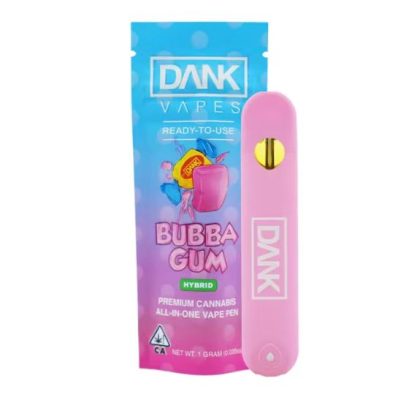
Are disposable vapes banned in Australia?
Yes, entirely. Disposable, single-use vapes cannot be legally bought, sold, or imported in Australia at any nicotine strength, including zero-nicotine versions.
What happens if Australian Border Force finds an undeclared vape in my luggage?
Officers can seize and destroy goods they consider unlawful imports. Declared goods within the traveler’s exemption are generally assessed on the spot; undeclared or non-compliant items (such as disposables) are more likely to be confiscated, and serious or repeated breaches can carry penalties under the Therapeutic Goods Act.
Can I vape in public places in Australia?
Generally no, anywhere smoking is also banned — this includes most indoor public spaces, public transport, near building entrances, and many outdoor dining areas. Exact rules vary by state, so check local signage.
Is CBD or cannabis vaping legal in Australia?
This is governed by an entirely separate regulatory framework from nicotine vaping, with its own prescription and access rules. See our dedicated breakdown in CBD and Cannabis Vape Laws in Australia for the full picture.
Will Australia’s vape laws change again after 2026?
Possibly. Australia’s vaping framework has been amended several times since 2021 as part of an ongoing reform process, and product standards in particular have a history of being revisited. Always check current government guidance before traveling or purchasing, since specific thresholds and procedures can be updated.
Australia’s nicotine vape laws
Conclusion
Australia’s approach to nicotine vaping is built around one core idea: vapes are medicines, not consumer products, and every other rule flows from that classification. For residents, that means pharmacy-only access, a nicotine-strength threshold that determines whether you need a prescription, and a fixed set of permitted flavours. For travelers, it means the holiday-shop mentality common elsewhere in the world simply doesn’t apply — there’s no general retail fallback, no recognition of foreign prescriptions, and zero tolerance for disposable devices regardless of how they’re packed or declared.
The practical takeaway is straightforward even if the legal detail is dense: bring only a reusable device within the traveler’s exemption, never pack a disposable, never mail vape products ahead of a trip, declare what you’re carrying, and plan on a pharmacy — not a shop counter — if you need to restock once you land. For deeper dives into specific scenarios, see our related guides: Can You Bring a Vape Into Australia in 2026?, Flying With a Vape in Australia, Disposable Vape Ban in Australia, and CBD and Cannabis Vape Laws in Australia.
This article is for general educational and informational purposes only and does not constitute legal or medical advice. Vaping regulations in Australia have changed multiple times in recent years and may change again — always verify current rules with the Therapeutic Goods Administration (TGA), Australian Border Force (ABF), or relevant state health department before traveling or purchasing.
Australia’s nicotine vape laws
Australia’s nicotine vape laws
Australia’s nicotine vape laws
