
Uncategorized
Packwoods Verification: How to Check Product Authenticity
Packwoods Verification
Packwoods verification is an important consideration when researching products sold under the Packwoods name. Recognising a logo or familiar package design is not enough to establish whether a product is genuine. Packaging can be copied, product descriptions can be inaccurate, and information provided by a seller may not always be independently verified.
So, how can you check whether a Packwoods product is authentic?
The answer starts with understanding what verification actually involves. Manufacturer information, batch details, product labeling, and reliable documentation can all provide useful evidence. However, no single packaging feature should automatically be treated as proof of authenticity.
This guide explains what to look for when evaluating Packwoods product claims and how to approach verification carefully.
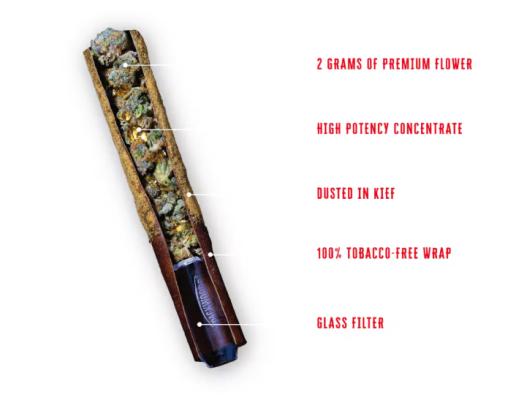
What Does Packwoods Verification Mean?
Packwoods verification refers to the process of assessing whether a product genuinely comes from the brand or manufacturer it claims to represent.
It is different from simply identifying a product by its packaging.
A product may carry a familiar brand name, logo, or design without having a verifiable connection to the original manufacturer. This is why appearance alone cannot establish authenticity.
A meaningful verification process should consider several details:
- Manufacturer identity and contact information.
- Product name and stated category.
- Batch or lot identification, where applicable.
- Product labeling and ingredient information.
- Relevant testing documentation.
- Whether the information can be confirmed through a reliable source.
The objective is to establish traceability rather than rely on visual recognition.
How to Check Whether a Packwoods Product Is Genuine
There is no single universal test that can establish the authenticity of every product carrying the Packwoods name. The following checks can help identify missing information and unsupported claims.
1. Examine the Packaging
Start by reviewing the packaging carefully.
Look for the brand name, product description, manufacturer details, labeling information, and any required regulatory information.
Pay attention to inconsistencies such as:
- Misspelled product or brand names.
- Poorly printed text or inconsistent labeling.
- Missing manufacturer information.
- Contradictory product descriptions.
- Missing batch or lot details where these are expected.
These observations may justify further investigation, but they do not independently prove that a product is counterfeit. Packaging quality can vary, and genuine packaging can also be damaged.
2. Check Manufacturer Information
Manufacturer details are more useful than branding alone.
Where the information is available, identify the company responsible for producing or distributing the product. Check whether its identity and contact details can be independently established.
Be cautious when a seller provides vague answers about where a product originated or who manufactured it.
A recognizable company name printed on packaging is not enough. The information needs to be traceable to a credible source.
3. Review Batch and Lot Information
Batch and lot numbers help connect a particular product to a production record.
Where applicable, look for these identifiers and check whether supporting documentation refers to the same batch.
A mismatch between the product’s batch number and its accompanying documentation is a reason to question the information provided.
However, the presence of a printed batch number does not automatically establish authenticity. The number must be verifiable through an appropriate source.
4. Look for Relevant Laboratory Documentation
Laboratory documentation may provide information about a product’s measured composition and certain contaminants.
When reviewing a certificate of analysis, consider:
- The name of the testing laboratory.
- The date of testing.
- The sample or batch identification.
- The substances or properties tested.
- The reported results.
- Whether the document can be independently authenticated.
A certificate should correspond to the specific product or batch being evaluated. A generic laboratory report or document belonging to another batch does not establish the contents of the product in question.
Laboratory testing also has limits. A test result does not, by itself, prove that a product was manufactured or distributed by Packwoods.
5. Treat QR Codes and Verification Claims Carefully
Some product packaging uses QR codes or other digital identifiers. These may direct users to product information, manufacturer pages, or verification services.
However, the presence of a QR code does not guarantee authenticity.
A code can direct users to an unrelated website or copied page. Before trusting a verification result, establish who operates the destination website and whether it is an official source.
Do not assume that every Packwoods product uses the same verification system. An official verification procedure should only be relied upon when it can be confirmed through the brand or an authorised manufacturer source.
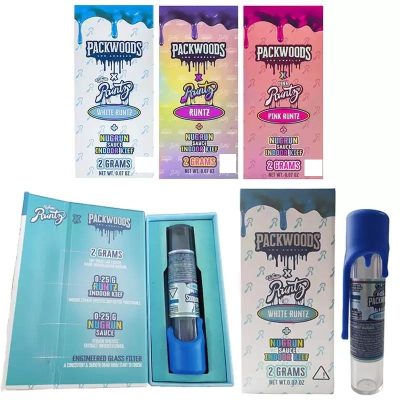
Can You Verify Packwoods Through Its Packaging Alone?
No. Packaging can provide clues, but it cannot establish authenticity on its own.
Counterfeit products may imitate familiar designs, while legitimate products can differ in packaging across markets, production periods, and product categories.
This makes it important to distinguish between two separate questions:
- Does the packaging resemble the brand’s expected presentation?
- Can the product’s origin and supporting information be independently verified?
The first is a visual assessment. The second requires evidence.
A product that looks convincing may still have an uncertain origin.
What Are the Warning Signs of a Potentially Counterfeit Product?
Certain inconsistencies deserve closer attention when evaluating a Packwoods product.
| Warning sign | Why it matters |
|---|---|
| Missing manufacturer details | Makes product origin difficult to establish |
| Inconsistent product information | Creates uncertainty about the actual product |
| Unverifiable batch number | Limits traceability |
| Unrelated laboratory report | Does not establish the tested product’s composition |
| Unverified QR destination | May lead to misleading information |
| Unsupported authenticity claims | Provides no independent evidence |
These signs should be treated as reasons for further investigation, not automatic proof that a product is counterfeit.
If the manufacturer, origin, or composition cannot be established, the responsible conclusion is that the product’s authenticity remains unverified.
Why Product Documentation Matters
Product documentation provides a basis for evaluating claims that packaging and marketing descriptions cannot establish independently.
This is particularly relevant for cannabis-related products, where labeling, testing, and regulatory requirements vary between jurisdictions.
The National Institute on Drug Abuse provides background information on cannabis and its different forms. The CDC’s cannabis resource also covers cannabis-related health information.
For products sold in regulated markets, applicable labeling and testing requirements should be considered alongside manufacturer information.
Frequently Asked Questions About Packwoods Verification
How do I verify a Packwoods product?
Start by checking the manufacturer information, product labeling, batch details, and any supporting documentation. Where an official verification method exists, confirm it through a reliable brand or manufacturer source.
Does Packwoods have an official verification website?
An official verification website or procedure should not be assumed without confirmation from the brand or manufacturer. Be cautious about third-party websites claiming to authenticate products.
Can a QR code prove that Packwoods is genuine?
No. A QR code only directs you to a digital destination. Its presence does not prove authenticity unless the destination and verification process can be independently confirmed.
Are fake Packwoods products possible?
Yes. Like other recognisable branded products, cannabis-related products can be misrepresented or sold with copied packaging. Brand recognition alone is not sufficient evidence of authenticity.
Does a batch number guarantee authenticity?
No. A batch number can support product traceability, but it must correspond to reliable manufacturer or testing documentation.
Can packaging differences mean a Packwoods product is fake?
Not necessarily. Packaging may vary across markets and production periods. Differences should be investigated using reliable product and manufacturer information rather than treated as conclusive evidence.
What should I do if I cannot verify a Packwoods product?
If the product’s origin and supporting documentation cannot be established, its authenticity remains uncertain. Do not treat unsupported seller claims or packaging features as proof.
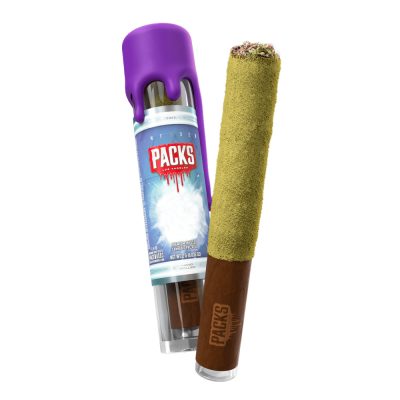
Final Thoughts
Packwoods verification requires more than recognising a logo or checking whether packaging looks familiar. Manufacturer information, batch details, product labeling, and relevant documentation provide a stronger basis for evaluating authenticity.
The most important distinction is between a product that looks genuine and one whose origin can actually be established.
If you are researching products listed under the Packwoods name, you can explore the Packwoods collection. For broader information about the website, visit Premium Dank Vapes.
Ultimately, when reliable verification evidence is unavailable, it is better to acknowledge the uncertainty than to make an unsupported authenticity claim.
