
Packwood
Packwoods Strains
Understanding Names, Labels, and Product Information
Packwoods strains is a search term people use when looking for information about the strain names associated with Packwoods products. These names can appear in product descriptions, packaging, and cannabis-related listings, but understanding what they mean requires looking beyond the name itself.
A strain name does not automatically establish a product’s genetic background, cannabinoid content, or actual composition. The product format, stated ingredients, and supporting documentation all matter.
This guide explains how to interpret Packwoods strain names, understand common cannabis strain terminology, and evaluate the information provided in product descriptions.
What Are Packwoods Strains?
Packwoods strains refers to the strain names associated with products carrying the Packwoods name.
In cannabis terminology, a strain name is generally used to identify a particular cannabis variety or cultivar. These names may be based on genetics, breeding history, or established market naming conventions.
However, there is an important distinction between a strain name and verified product information.
A product description may list a particular strain, but the name alone does not confirm that the contents have the stated genetic background or composition.
When researching Packwoods strains, consider three separate details:
- Strain name: The name used to identify the cannabis variety.
- Product format: Whether the product contains flower, an infused preparation, or another material.
- Product composition: The actual ingredients and measured characteristics, where independently documented.
Keeping these distinctions separate helps prevent confusion when comparing product listings.
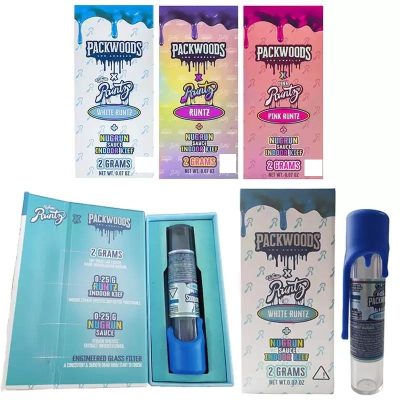
Understanding Packwoods Strain Names and Product Examples
Cannabis strain names are commonly used to distinguish varieties and identify products in the market. Packwoods product listings also feature names associated with different varieties and product lines.
For example, the Premium Dank Vapes catalogue includes:
The catalogue also includes products identified by additional product-line names:
These examples show how product names can combine strain identifiers, product formats, and brand or collaboration names.
However, a product name is not independent proof of its genetic background or chemical composition. Two products carrying similar strain names may have different cannabinoid and terpene profiles.
When researching individual Packwoods products, distinguish between the name displayed in a listing and information supported by manufacturer records or relevant laboratory documentation.
How to Interpret Packwoods Product Names
When reviewing these listings, consider three elements:
- Strain or variety name: Identifies the variety claimed in the product description.
- Product-line designation: Terms such as RYO Kit may identify a particular product format or range.
- Brand or collaboration name: Names such as Packwoods x Gas House may indicate a brand association or collaboration, which should be confirmed through reliable product information.
These distinctions help readers understand what a product name communicates without assuming that every part of the name describes its contents.
The National Institute on Drug Abuse provides additional background on cannabis and its different forms.
How to Read Packwoods Strain Labels
When reviewing Packwoods strain labels or product descriptions, pay attention to the information provided rather than relying exclusively on the strain name.
1. Strain or Cultivar Name
Start with the name displayed on the product listing or packaging.
This tells you which variety the seller or manufacturer claims the product represents. It does not independently verify the genetics or contents.
2. Product Type
Check whether the listing describes cannabis flower, a pre-roll, an infused product, an extract, or a vape product.
The same strain name can appear across different product formats, but those formats do not necessarily contain identical materials.
3. Cannabinoid Information
Some product labels provide cannabinoid measurements, including THC and CBD content.
These figures should be interpreted carefully. A printed percentage is a product claim unless it is supported by relevant testing documentation.
4. Terpene Information
Terpenes are naturally occurring compounds found in cannabis and many other plants.
Some product descriptions include terpene information to provide additional details about the reported chemical profile.
However, a strain name alone cannot establish which terpenes are present or their concentrations.
5. Batch and Testing Details
Where applicable, look for batch identification and laboratory documentation.
A certificate of analysis may provide information about the tested sample’s cannabinoid profile and certain contaminants.
Check whether the report corresponds to the product and batch being described. A report for a different sample cannot establish the composition of the product in question.

Do Packwoods Strain Names Guarantee the Contents?
No. A strain name is not independent proof of a product’s contents.
This distinction matters because product names and descriptions can be repeated across different sellers and listings without independent verification.
For example, a listing may identify a product using a familiar strain name, but that alone does not confirm:
- The product’s genetic background.
- Its actual THC or CBD concentration.
- Its terpene profile.
- Whether the material matches the stated product description.
- Whether the product has been independently tested.
Reliable documentation provides a stronger basis for evaluating these claims.
If the information cannot be verified, it is more accurate to describe the strain as seller-listed or manufacturer-stated rather than independently confirmed.
Are Packwoods Strains the Same Across Different Product Types?
Not necessarily.
A strain name may be used to identify products in different formats, but the composition and processing of those products can differ.
Consider these examples:
| Product format | What the strain name identifies |
|---|---|
| Cannabis flower | The stated cannabis variety or cultivar |
| Pre-roll | The stated variety of the flower used |
| Infused pre-roll | The stated flower variety, alongside additional ingredients |
| Cannabis extract | The claimed source variety, where specified |
| Vape product | The strain or variety associated with the stated formulation |
The distinction is important because a strain name does not make different product formats compositionally identical.
For example, a flower-based product and an extract-based product carrying the same strain name should not automatically be assumed to have the same chemical profile.
How to Compare Packwoods Strain Information
When comparing Packwoods strain listings, focus on information that can actually be evaluated.
| Information | What it tells you | What it cannot prove alone |
|---|---|---|
| Strain name | The stated variety | Exact genetics |
| Product type | The product format | Complete composition |
| THC percentage | A stated cannabinoid measurement | Independent accuracy without testing |
| Terpene profile | Reported terpene information | Authenticity of the product |
| Batch number | Production identification | Genuine origin without verification |
| Laboratory report | Results for a tested sample | Brand authenticity by itself |
This approach helps separate descriptive marketing language from measurable product information.
The CDC’s cannabis resource also provides useful public-health context when researching cannabis products.
Frequently Asked Questions About Packwoods Strains
What are Packwoods strains?
Packwoods strains refers to the strain names associated with products carrying the Packwoods name. Individual product listings should be checked for their stated variety and supporting information.
Does Packwoods have different strains?
Product listings may identify different strain names, but current availability and the accuracy of individual strain claims should be confirmed through reliable product-specific information.
Are Packwoods strain names verified?
A strain name printed on packaging or displayed in a product listing is not independent verification. Supporting manufacturer information and relevant laboratory documentation provide additional evidence.
Does a Packwoods strain name indicate THC percentage?
No. A strain name does not establish THC concentration. Cannabinoid measurements require product-specific information and, ideally, relevant laboratory testing.
What is the difference between a strain and a cultivar?
The terms are often used interchangeably in everyday cannabis discussions. Cultivar is the more precise botanical term for a cultivated variety, while strain remains common in the cannabis marketplace.
Do different products with the same strain name have identical effects?
Not necessarily. Products can differ in composition, cannabinoid concentrations, terpene profiles, and other characteristics. A shared strain name does not establish identical chemical profiles or effects.
Can I identify a Packwoods strain from its packaging?
Packaging may display a strain name, but that does not independently establish the product’s genetic identity or composition. Additional documentation is needed to evaluate those claims.
Final Thoughts
Packwoods strain names can help identify how individual products are described, but they should not be treated as proof of genetics, potency, or composition.
When researching Packwoods strains, look beyond the name. Consider the product format, stated ingredients, cannabinoid information, terpene details, and any relevant laboratory documentation.
If you’re exploring the products listed under this category, visit the Packwoods collection. For the wider product catalogue, visit Premium Dank Vapes.
The most useful product information is information that can be examined and verified, not simply a name printed on a package.
