
Strain Guide
Dankwoods vs Packwoods
Dankwoods vs Packwoods: What’s the Difference?
Dankwoods vs Packwoods is a comparison people make when researching cannabis-related brands and pre-roll products. The names are similar, and both appear in discussions about infused blunts and other cannabis products. However, that similarity does not mean they represent the same brand, manufacturer, or product.
Understanding the difference starts with looking at their names, product formats, and how each is presented in the market. It also means separating product descriptions from information that can actually be verified.
This guide examines the terminology associated with Dankwoods and Packwoods, compares their commonly listed product formats, and explains what to consider when researching either name.
What Is the Difference Between Dankwoods and Packwoods?
Dankwoods and Packwoods are separate names used in the cannabis product market. They should not be treated as interchangeable simply because their names sound alike.
Both names appear in listings for pre-roll and infused blunt products. For example, marketplace listings identify Dankwoods products under infused blunts and pre-roll categories. Packwoods product listings also include pre-rolls and infused products.
However, product categories alone do not establish a shared manufacturer, ownership, or production process.
The important distinction is that each name identifies a separate product or brand identity, and individual products need to be assessed on their own information.
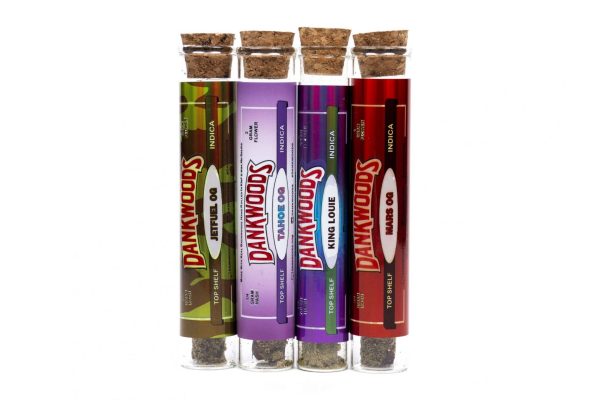
What Are Dankwoods?
Dankwoods is a name associated with cannabis pre-roll and infused blunt products.
Listings for Dankwoods commonly describe products in the pre-roll or infused blunt category. These descriptions may refer to cannabis flower, concentrates, or other materials, depending on the individual product.
The term Dankwoods should therefore be understood as a brand or product identifier rather than a technical name for one specific cannabis formulation.
To learn more about the terminology, product formats, and associated details, see our guide to what Dankwoods are.
What Are Packwoods?
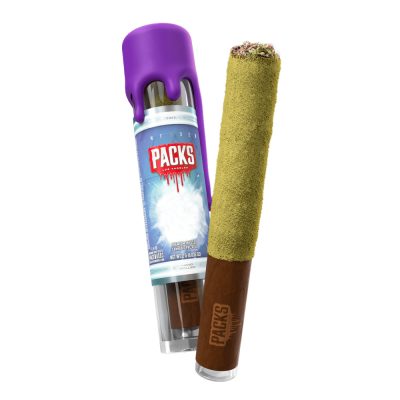
Packwoods is another name associated with cannabis-related products, including pre-rolls and other product formats.
Product listings using the Packwoods name include different formats and product-line designations. Some descriptions refer to infused pre-rolls, while others identify different product categories.
As with Dankwoods, the name alone does not establish the contents or authenticity of a particular item.
Our guide to what Packwoods are explains the brand terminology and common product categories in more detail.
Dankwoods vs Packwoods: Product Format Comparison
One useful way to compare Dankwoods and Packwoods is to examine the product formats associated with each name.
| Comparison point | Dankwoods | Packwoods |
|---|---|---|
| Brand or product name | Dankwoods | Packwoods |
| Commonly listed format | Pre-rolls and infused blunts | Pre-rolls and other cannabis-related formats |
| Product terminology | Flower, infused blunt, pre-roll | Flower, infused pre-roll, product-line names |
| Composition | Depends on the individual product | Depends on the individual product |
| Authenticity | Requires product-specific evidence | Requires product-specific evidence |
This comparison describes how the names appear in product listings. It does not establish that every product under either name has the same ingredients, specifications, or manufacturing standards.
Are Dankwoods and Packwoods Made by the Same Company?
The similarity between the names does not establish common ownership or manufacturing.
A reliable comparison would require verifiable company records, trademark information, or manufacturer statements establishing a relationship between the two.
Without that evidence, it is more accurate to treat Dankwoods and Packwoods as separate brand or product identifiers.
The same principle applies to product packaging. Similar designs, product formats, or naming conventions do not independently establish that two products come from the same manufacturer.
Are Dankwoods and Packwoods the Same Type of Product?
Not necessarily. Both names appear in discussions about pre-rolls and infused products, but the actual format depends on the specific listing.
A conventional pre-roll generally refers to cannabis flower prepared in rolling paper or a similar wrapper.
An infused pre-roll contains additional material, such as a cannabis concentrate or extract. Its composition is therefore different from a flower-only pre-roll.
When comparing a Dankwoods listing with a Packwoods listing, check the stated product type and ingredients rather than assuming that similar names mean identical contents.
How to Compare Dankwoods and Packwoods Product Information
Brand names and product descriptions are only a starting point. Several details can help establish what an individual product claims to contain.
1. Check the Product Category
Identify whether the listing describes a pre-roll, infused blunt, extract, cartridge, or disposable vape.
Product format is important because different categories contain different materials and require different specifications.
2. Review the Ingredient Information
Look for stated ingredients and composition details.
A product described as infused should provide information about the additional material claimed to be present. Do not assume that all products with the same brand name use the same formulation.
3. Examine Manufacturer and Batch Details
Where applicable, look for manufacturer information and batch or lot identifiers.
These details can help establish traceability when they can be connected to reliable records.
4. Check Laboratory Documentation
Where testing documentation is available, check whether it identifies the product or batch being evaluated.
A certificate of analysis may report cannabinoid measurements and certain contaminant results. However, a laboratory report does not automatically establish brand authenticity or prove that every product from the same brand has identical contents.
5. Avoid Relying on Packaging Alone
Packaging, logos, and product names can be copied.
A familiar design does not prove that a product is genuine. Manufacturer information and relevant documentation provide a stronger basis for evaluating product claims.
For broader information about cannabis and its different forms, consult the National Institute on Drug Abuse and the CDC’s cannabis resource.
Frequently Asked Questions About Dankwoods vs Packwoods
Are Dankwoods and Packwoods the same brand?
They should be treated as separate brand or product identifiers. Similarity in naming does not establish common ownership or manufacturing.
What is the main difference between Dankwoods and Packwoods?
Both names appear in cannabis-related product listings, including pre-roll and infused product categories. Their individual products, manufacturers, and formulations need to be evaluated separately.
Are Dankwoods and Packwoods both associated with infused blunts?
Both names appear in discussions and listings involving pre-roll or infused products. However, the exact format and composition depend on the individual product.
Does Packwoods manufacture Dankwoods?
The similarity between the names does not establish a manufacturing relationship. A connection should only be claimed if supported by reliable company or manufacturer documentation.
Are Dankwoods and Packwoods strain names interchangeable?
No. A strain name or product description associated with one name should not automatically be applied to products carrying the other name.
How can I tell whether a Dankwoods or Packwoods product is authentic?
Review the manufacturer information, product labeling, batch details, and relevant documentation. Packaging alone cannot establish authenticity.
Final Thoughts
The comparison between Dankwoods and Packwoods comes down to understanding two separate names and the products associated with them.
Although both appear in cannabis-related product discussions, similar branding and product formats do not prove that they share a manufacturer, ingredients, or production standards.
When researching either name, focus on the individual product’s format, stated composition, manufacturer details, and supporting documentation. That provides a more reliable comparison than judging products by their names alone.
