
Uncategorized
1g vs Other Disposable Vape Capacities: Key Differences
1g vs Other Disposable Vape Capacities: Key Differences Explained
Comparing disposable vape capacities involves more than looking at the number printed on a package. Labels such as 0.5g, 1g, and 2g describe stated quantities of material, but they do not automatically tell you how a device’s battery, dimensions, or operating characteristics compare.
Understanding 1g vs other disposable vape capacities starts with identifying what each measurement represents. Material capacity, battery capacity, total device weight, and estimated puff count are separate specifications. Confusing them can lead to inaccurate comparisons between products.
This guide explains different disposable vape capacity labels, how gram measurements work, and what to consider when comparing product specifications.
What Do Different Disposable Vape Capacities Mean?
Disposable vape capacity generally refers to the stated quantity of material a device contains. Depending on the product, this quantity may be expressed in grams or milligrams.
Common capacity labels include:
- 0.5g: A stated material quantity of half a gram.
- 1g: A stated material quantity of one gram.
- 2g: A stated material quantity of two grams.
These examples illustrate how capacity labels are expressed; they do not independently verify the contents of any particular product.
One gram equals 1,000 milligrams. However, grams and milliliters are not interchangeable: grams measure mass, while milliliters measure volume. Converting between them requires information about the material’s density.
When comparing disposable vape capacities, confirm that the labels refer to the same type of measurement before drawing conclusions.
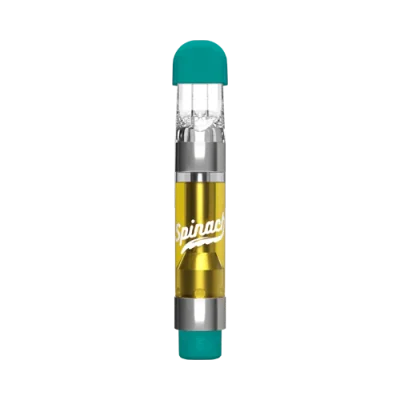
1g vs Other Disposable Vape Capacities: What Is the Difference?
The main difference between these labels is the stated quantity of material. Assuming the measurements refer to the same type of material and the claims are accurate, a 2g label represents twice the stated mass of a 1g label.
That distinction does not mean every other characteristic changes in the same proportion.
| Capacity label | Stated material quantity | What the label does not establish |
|---|---|---|
| 0.5g disposable vape | 0.5 grams | Battery size or exact puff count |
| 1g disposable vape | 1 gram | Total device weight or operating duration |
| 2g disposable vape | 2 grams | Overall quality or authenticity |
A larger stated capacity does not necessarily mean a proportionally larger device. Manufacturers may use different reservoir designs, casings, batteries, and internal component arrangements.
For that reason, capacity is best understood as one product specification rather than a complete description of the device.
Does a Higher Disposable Vape Capacity Mean More Puffs?
Not necessarily. Material capacity and puff count measure different things.
A capacity label indicates the stated quantity of material, while a puff-count estimate attempts to describe how many puffs a device might produce under particular conditions.
The estimated number of puffs can depend on:
- The device’s heating system and power consumption.
- The amount of material consumed per puff.
- Operating conditions and usage patterns.
- The testing assumptions used to calculate the advertised figure.
These variables mean that puff counts may not increase proportionally with material capacity.
For example, a device labeled 2g does not automatically provide twice the estimated puff count of a device labeled 1g. That conclusion would require additional information about both devices and the methods used to calculate their estimates.
When reviewing advertised puff counts, look for clearly stated testing conditions. Without that information, comparisons between different models may be unreliable.
1g vs 2g Disposable Vapes: Does Capacity Affect Battery Life?
The comparison between 1g and 2g disposable vapes does not, by itself, establish which device has the larger battery or longer battery life.
Material capacity describes the stated quantity of material. Battery capacity describes the battery’s electrical charge capacity, commonly measured in milliamp-hours (mAh).
These are separate measurements.
A disposable vape with a 2g capacity label could have a different battery specification from a 1g model, but the capacity labels alone do not reveal that difference. Battery performance also depends on power consumption, electrical characteristics, and device design.
It is useful to distinguish between two potential limitations:
- Material depletion: The available material has been used.
- Battery or hardware failure: The device can no longer operate as intended.
These are different outcomes. A material-capacity label does not guarantee that the battery and contents will last for the same period.
To compare battery specifications accurately, review the manufacturer’s stated battery information separately from the material capacity.
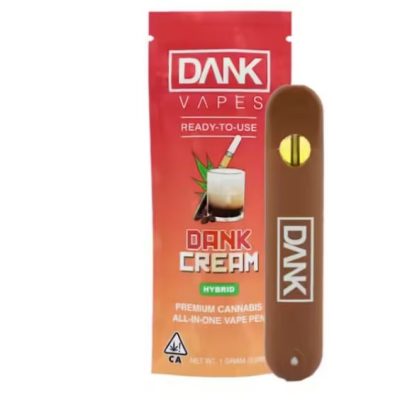
How Disposable Vape Capacity Relates to Device Size and Weight
Disposable vape capacity can influence internal design, but it does not determine the complete size or weight of a device.
Total device weight includes the casing, battery, heating components, electronics, and contents. The stated material capacity accounts for only one part of that total.
Two disposable vapes with the same capacity can therefore have different dimensions and weights. Differences in battery size, casing materials, and internal layout can all contribute to the final measurements.
Similarly, a larger-capacity disposable vape is not necessarily proportionally larger than a smaller-capacity model.
If physical size matters when comparing products, check the actual dimensions and total weight. Do not use the capacity label as a substitute for those measurements.
Can You Compare Disposable Vape Capacities in Grams and Milliliters?
Only with the right information.
Grams measure mass, whereas milliliters measure volume. Although both can appear in product specifications, they describe different properties.
For instance, a label of 1g indicates a stated mass of one gram. A label of 1mL indicates a volume of one milliliter. Those figures cannot be assumed to represent equivalent quantities without knowing the material’s density.
This distinction is important when reading product descriptions that use different measurement systems.
Before comparing two disposable vape products, check whether their capacity figures use the same unit and describe the same property. Otherwise, a numerical comparison may be misleading.
Does Higher Disposable Vape Capacity Mean Better Quality?
No. A larger capacity is not an independent measure of product quality.
A 1g or 2g label does not establish a product’s authenticity, manufacturing standards, composition, reliability, or compliance with applicable regulations.
When evaluating product information, look for verifiable manufacturer or supplier details, clear specifications, and relevant testing documentation. Where laboratory reports are applicable, check whether the documentation relates to the specific product or batch rather than relying on a generic certificate.
Packaging and capacity labels should not be treated as proof that a product’s contents match its description.
For general information about vaping devices and their components, consult the U.S. Food and Drug Administration’s guide to e-cigarettes and vapes. Its regulatory information applies to products within the agency’s scope; requirements may differ for other product categories and jurisdictions.
What to Check When Comparing 1g and Other Disposable Vape Capacities
Capacity is useful, but a more complete comparison considers several specifications independently.
1. Material capacity
Confirm the stated quantity and the measurement unit. Check whether the label refers to mass or volume.
2. Battery capacity
Review the stated battery specifications where available. Do not infer battery capacity from the amount of material.
3. Device dimensions and weight
Use actual measurements to compare physical size and total weight.
4. Hardware design
Differences in heating components, airflow, battery configuration, and internal construction can affect device characteristics.
5. Product information
Look for clear information about the intended contents, manufacturer, and product category.
6. Applicable regulations
Requirements vary according to jurisdiction and product type. Verify the relevant rules rather than assuming products with similar capacity labels are subject to identical requirements.
Reviewing these details gives a more accurate picture of the differences between disposable vape products than relying on capacity alone.
Frequently Asked Questions About Disposable Vape Capacities
What is the difference between a 1g and a 2g disposable vape?
The labels indicate different stated quantities of material: one gram versus two grams, assuming both measurements are accurate and refer to the same type of material capacity. They do not establish a proportional difference in puff count, battery capacity, or operating duration.
Does a 2g disposable vape have twice as many puffs as a 1g device?
Not necessarily. Puff-count estimates depend on material consumption, device design, operating conditions, and the manufacturer’s calculation method.
Is 1g the same as 1,000mg?
Yes. One gram equals 1,000 milligrams. Both units measure mass.
Are grams and milliliters interchangeable for vape capacity?
No. Grams measure mass and milliliters measure volume. Converting between them requires information about the material’s density.
Does a higher disposable vape capacity mean a bigger battery?
No. Material capacity and battery capacity are separate specifications. A capacity label does not reveal the battery’s electrical charge capacity.
Does capacity determine how large a disposable vape is?
No. Capacity may influence internal design, but battery size, casing, and component arrangement also affect the device’s overall dimensions and weight.
Does a larger capacity mean better product quality?
No. Capacity describes a stated quantity of material. Product quality, authenticity, and regulatory compliance require separate evidence.
Final Thoughts on 1g vs Other Disposable Vape Capacities
Understanding 1g vs other disposable vape capacities comes down to interpreting the numbers correctly. A capacity label describes a stated quantity of material, but it does not provide a complete picture of battery performance, device dimensions, puff count, or product quality.
For an accurate comparison, confirm that the measurement units match and review the remaining specifications independently. This helps distinguish meaningful differences in stated capacity from assumptions about how a device is built or how it performs.
Capacity is one specification, not a complete product assessment.
