
Disposable Vape
Disposable Vape FAQ: 25 Common Questions Answered
Disposable Vape FAQ: 25 Common Questions Answered
Disposable vapes come with different capacity labels, battery specifications, internal components, and product descriptions. Understanding these details can be difficult when terms such as puff count, material capacity, and draw activation are used without explanation.
This disposable vape FAQ answers 25 common questions about disposable vape devices, their components, capacity measurements, operating principles, and product specifications. It also explains what product labels can establish—and where additional evidence is needed.
Disposable Vape FAQ: Basic Questions About How They Work
1. What is a disposable vape?
A disposable vape is an electronic vaping device designed for limited use rather than repeated refilling and ongoing maintenance. Depending on the model, it may contain a battery, heating element, internal material chamber, airflow pathway, and mouthpiece.
Some disposable vapes have rechargeable batteries, while others use non-rechargeable batteries. The exact design depends on the manufacturer and intended use of the device.
2. How does a disposable vape work?
A typical electronic vaping device uses a battery to supply electrical power to a heating element. When activated, the heating element generates heat that produces an aerosol from the material inside the device. An airflow pathway then carries the aerosol toward the mouthpiece.
The activation mechanism varies by model. Some devices use a draw-activated sensor, while others use a button or another control system.
3. What are the main disposable vape components?
Common disposable vape components include:
- Battery: Supplies electrical power.
- Heating element: Generates heat to produce an aerosol.
- Reservoir or internal chamber: Holds the material the device is designed to contain.
- Airflow pathway: Directs air through the device.
- Mouthpiece: Provides the opening through which the aerosol is inhaled.
- Outer casing: Houses the internal components.
- Sensors and controls: Manage activation or indicate operating status on some models.
Not every device uses the same components or internal arrangement. Specifications should be checked against the manufacturer’s documentation.
4. What does 1g mean on a disposable vape?
A 1g disposable vape label generally indicates a stated material capacity of one gram, equivalent to 1,000 milligrams.
The figure does not represent the total weight of the device or the battery’s electrical capacity. It also does not independently verify the quantity or composition of the contents.
5. What is the difference between material capacity and battery capacity?
Material capacity describes the stated quantity of material inside a device, commonly expressed in grams or milligrams. Battery capacity describes the battery’s electrical charge capacity, typically measured in milliamp-hours (mAh).
These measurements serve different purposes. A device with a larger stated material capacity does not necessarily have a larger battery or longer operating duration.
Disposable Vape FAQ: Capacity, Puff Count, and Battery Life
6. What is the difference between 0.5g, 1g, and 2g disposable vapes?
These labels indicate different stated quantities of material, assuming the measurements are accurate and refer to the same type of capacity.
- 0.5g: Half a gram.
- 1g: One gram.
- 2g: Two grams.
The figures alone do not establish battery size, estimated puff count, device dimensions, or product quality. Those characteristics require separate specifications.
7. Does a 2g disposable vape provide twice as many puffs as a 1g device?
Not necessarily. Puff-count estimates depend on the device’s design, material consumption per puff, operating conditions, and the manufacturer’s testing assumptions.
A device labeled 2g does not automatically provide twice the puff count of a device labeled 1g. Capacity and puff count are related concepts, but they are not interchangeable measurements.
8. How many puffs does a disposable vape provide?
There is no universal puff count for all disposable vapes. Manufacturers may advertise different estimates based on their products and testing methods.
Actual results can vary with device characteristics, operating conditions, and the amount of material consumed during each puff. Advertised puff counts should therefore be treated as estimates, not guaranteed results.
9. Does disposable vape capacity determine battery life?
No. Material capacity and battery capacity are separate specifications.
Battery life depends on the battery’s characteristics, power consumption, heating-system requirements, and overall device design. A larger material-capacity label does not guarantee proportionally longer battery life.
10. Does disposable vape capacity determine device weight?
No. The total weight of a disposable vape includes its casing, battery, internal components, and contents.
Two devices with the same stated material capacity can have different total weights because they use different batteries, housing materials, and internal layouts.
11. Are grams and milliliters the same measurement?
No. Grams measure mass, while milliliters measure volume. Converting between them requires information about the material’s density.
When reading disposable vape specifications, check whether the stated capacity is expressed in grams, milligrams, or milliliters. These units should not be treated as directly interchangeable.

Disposable Vape Components FAQ: Batteries, Heating, and Design
12. What does the heating element do in a disposable vape?
The heating element generates heat to produce an aerosol from the material inside the device. Its design and operating characteristics vary between products.
Although electronic vaping devices are designed to produce an aerosol through heating, that does not mean the resulting aerosol is harmless or free of potentially harmful substances.
13. What does the battery do in a disposable vape?
The battery supplies electrical energy to the heating system and any associated electronics. Battery type and capacity vary by model.
A product’s battery specifications should be evaluated independently from its material capacity, advertised puff count, and external dimensions.
14. What is the reservoir in a disposable vape?
The reservoir or internal chamber holds the material the device is designed to contain. Its construction depends on the product’s intended contents and internal design.
The reservoir’s stated capacity is different from the total weight of the assembled device. The capacity label also does not independently verify the composition or quantity of the contents.
15. How does airflow work in a disposable vape?
The airflow system directs air through internal channels toward the mouthpiece. In some devices, a sensor detects airflow changes and activates the heating system.
The layout varies by model, so not every disposable vape uses the same airflow pathway or activation mechanism.
16. Are all disposable vapes rechargeable?
No. Some disposable vapes have rechargeable batteries, while others are designed with non-rechargeable batteries.
Follow the manufacturer’s instructions for the specific model. Do not assume a device is rechargeable based on its appearance, capacity label, or product category.
17. Can you refill a disposable vape?
Disposable vapes are generally designed for limited use rather than repeated refilling. Whether a particular product supports servicing or refilling depends on its intended design and manufacturer instructions.
Opening or modifying a device that is not designed for it can expose the battery and internal components, creating additional risks.
18. Why do disposable vapes come in different shapes and sizes?
Disposable vape dimensions vary because manufacturers use different batteries, casings, heating systems, reservoirs, and internal layouts.
External size alone does not reliably establish a device’s material capacity, battery performance, or internal construction. Check the published specifications when those details matter.
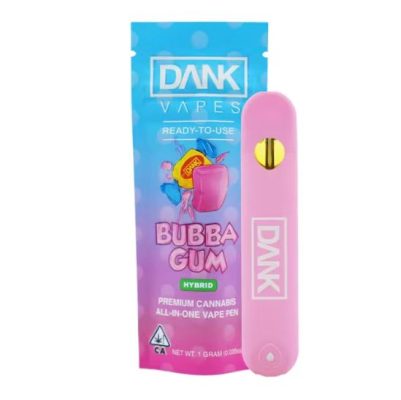
Disposable Vape FAQ: Product Quality, Safety, and Regulations
19. Does the product label prove a disposable vape is authentic?
No. A product label or recognizable brand name is not independent proof of authenticity.
Reliable verification requires credible information about the manufacturer, supplier, and product. Packaging claims should be assessed separately from evidence about the actual contents.
20. Does a higher-capacity disposable vape mean better quality?
No. Material capacity is a quantity measurement, not a quality rating.
A larger stated capacity does not independently establish manufacturing standards, product composition, reliability, authenticity, or regulatory compliance. Those considerations require separate evidence.
21. Can you verify a disposable vape’s contents from its packaging?
Not from packaging alone. A label can describe the intended contents, but it does not independently confirm their composition.
Where relevant, review credible product documentation and testing that can be traced to the specific product or batch. Avoid treating generic certificates or unverified claims as conclusive evidence.
22. Are disposable vapes harmless because they do not burn tobacco?
No. Electronic vaping devices can expose users to nicotine and other potentially harmful substances, depending on the product. Their aerosol is not simply water vapor, and the absence of tobacco combustion does not establish that a product is harmless.
For general health information, consult the U.S. Centers for Disease Control and Prevention’s e-cigarette resource.
23. Are disposable vapes regulated?
Regulatory requirements depend on the jurisdiction, product category, ingredients, and intended use. Rules may cover product authorization, manufacturing, labeling, advertising, sales, and age restrictions.
Check the applicable requirements in the country where the product will be supplied or used. Regulations governing one product category or jurisdiction should not automatically be assumed to apply to another.
24. How should disposable vape devices be disposed of?
Disposable vapes may contain batteries and electronic components that require special handling. They should not automatically be placed in ordinary household waste.
Follow local battery and electronic-waste disposal guidance. Do not burn, crush, or dismantle a device to dispose of it.
25. Where can you find reliable disposable vape specifications?
Start with manufacturer documentation, clearly stated technical specifications, and relevant regulatory resources. When product testing is important, check whether the documentation is credible and traceable to the specific product.
The U.S. Food and Drug Administration’s guide to e-cigarettes and vapes provides background on device components and products within its regulatory scope. Requirements may differ for other product categories and jurisdictions.
Final Thoughts on Common Disposable Vape Questions
This disposable vape FAQ covers the main distinctions worth understanding when reading product descriptions: material capacity, battery capacity, puff-count estimates, device components, and total device weight.
These specifications describe different aspects of a product. None of them, on its own, establishes authenticity, quality, composition, or safety.
For a more accurate understanding, read the full product specifications, distinguish stated claims from independently verified information, and consult relevant regulatory guidance when necessary.
