
Uncategorized
How Vape Carts Work: A Simple Guide to Cartridge Technology
Why Dank Vape Is a Top Choice for Cannabis Vapers
How Vape Carts Work: A Simple Guide to Cartridge Technology
Vape cartridges may look relatively simple from the outside, but several components work together inside them. Understanding how vape carts work starts with understanding the relationship between the battery, heating element, reservoir, airflow system, and mouthpiece.
A cartridge is also only one part of a traditional cartridge-based vaping system. Unlike an integrated disposable, a conventional vape cartridge is generally designed to work with a separate compatible battery.
This guide explains the basic technology behind vape carts, how their components interact, and why cartridge designs can differ.
What Happens When a Vape Cart Is Activated?
The basic process is straightforward.
When a compatible battery is activated, electrical power is delivered to the cartridge’s heating element. The heating element produces heat, which interacts with the formulation in the cartridge. The resulting aerosol then travels through the airflow path and exits through the mouthpiece.
In simplified form:
Battery → Heating Element → Formulation → Aerosol → Airflow → Mouthpiece
The exact engineering varies between products, but this sequence explains the basic principle behind many cartridge systems.
For broader information about how electronic cigarettes and vaping devices are structured, the [FDA’s information on e-cigarettes and vaping products] provides useful background.
The Main Components of a Vape Cart
Understanding the individual components is the easiest way to understand how a cartridge functions.
The Battery
The battery provides the electrical energy required by the heating element.
With a traditional cartridge system, the battery is generally separate from the cartridge. Some batteries use a physical button for activation, while others activate when the user draws through the device.
The battery is therefore not simply an accessory. It is the power source that allows the vape cartridge to operate.
The Connection
The connection transfers electrical power from the battery to the cartridge.
Many conventional cartridges use a 510 connection, although other systems exist.
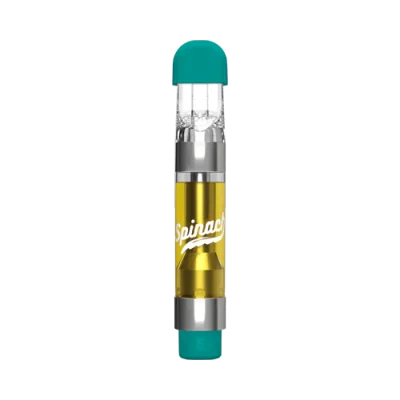
This means that a cartridge and battery need to be compatible before the system can function correctly.
Read more vape cartridge components
The Heating Element
The heating element converts electrical energy into heat.
Depending on the cartridge design, the heating assembly may use different materials and configurations. Its basic role remains the same: generate heat that interacts with the formulation around the heating area.
Different vape cart technology can therefore produce different internal designs even when the cartridges appear similar externally.
The Reservoir
The reservoir is the chamber that holds the formulation.
Its capacity, shape, and construction vary between products. Some cartridges use glass reservoirs, while other designs use different materials.
Capacity should not be confused with expected usage time. The amount contained in a cart does not, by itself, determine how long the product will last.
The Airflow System
Airflow provides the route through which air and aerosol travel through the cartridge.
When the device is activated and the user draws, air moves through the designed intake path and carries the generated aerosol toward the mouthpiece.
The internal vape cartridge airflow design can differ significantly between products.
The Mouthpiece
The mouthpiece is the final section of the cartridge.
It provides the opening through which the aerosol exits the device. Its shape, size, and material can vary depending on the cartridge design.
How Does the Battery Power a Vape Cart?
A conventional cartridge doesn’t generate its own electrical power.
The compatible battery supplies power through the cartridge connection. When the system is activated, electrical current reaches the heating assembly.
The heating element then converts that electrical energy into heat.
This is why simply being able to physically attach a cartridge to a battery doesn’t necessarily mean the two components are appropriate for one another. Hardware and electrical compatibility still matter.
How Does the Heating Element Work?
The heating element is one of the most important parts of a cartridge.
Its job is to convert electrical energy into thermal energy.
When sufficient electrical power reaches the heating assembly, it produces heat that interacts with the formulation around the heating area. The resulting aerosol then moves through the cartridge’s airflow path.
The exact design varies. Some cartridges use different heating-element configurations or materials, which means not every vape cart operates with identical internal hardware.
What Role Does the Reservoir Play?
The reservoir stores the formulation before it reaches the heating area.
Its design determines how the formulation is contained and delivered toward the heating element.
Reservoir capacity can vary considerably between products.
However, capacity shouldn’t be interpreted as a guaranteed usage period. How long a cartridge lasts depends on multiple factors, including the product, hardware, and individual usage pattern.
How Does Airflow Work in a Vape Cartridge?
Airflow is what allows air to move through the cartridge and carry aerosol toward the mouthpiece.
When a user draws through the device, air enters through the cartridge’s intake path. That airflow interacts with the aerosol generated around the heating element before traveling toward the mouthpiece.
Different manufacturers can use different airflow configurations, so the internal pathway isn’t necessarily identical between vape cartridges.
Cartridge systems can use different activation methods.
Draw-Activated Carts
A draw-activated system detects airflow or changes in pressure when the user inhales.
The battery then activates the heating system automatically.
A button-activated system requires the user to press a button on the battery.
The battery then supplies power to the cartridge’s heating element.
The cartridge hardware may be similar in either setup. The primary difference is how the battery receives the activation signal.
What Does 510 Threading Have to Do With Vape Carts?
510 threading is primarily a connection standard.
It allows compatible cartridges and batteries to physically connect while also providing the electrical contact required by the system.
However, 510 compatibility doesn’t mean that every cartridge and every battery should automatically be considered interchangeable.
The actual hardware specifications still matter.
This is why “510” should be understood as a connection specification rather than a statement about the contents, quality, or characteristics of a cartridge.
Why Do Vape Cart Designs Differ?
Not every cartridge is constructed in exactly the same way.
Differences can include:
- Reservoir material
- Heating-element design
- Airflow configuration
- Mouthpiece design
- Connection system
- Capacity
- Electrical characteristics
- Housing materials
Two cartridges can therefore belong to the same broad category while using noticeably different cartridge hardware.
External appearance doesn’t always reveal how the internal system is constructed.
Check out cartridge vs. disposable hardware
Cartridge Hardware vs. Formulation
One of the easiest mistakes when discussing Dank vape carts and other cartridge products is treating the hardware and formulation as the same thing.
They’re not.
Hardware refers to the physical components:
- Reservoir
- Heating element
- Housing
- Mouthpiece
- Connection
- Airflow system
Formulation refers to what is contained within the reservoir.
The hardware determines how the product physically operates, while the formulation describes what is contained inside it.
Keeping these concepts separate makes product descriptions much easier to understand.

Does the Battery Determine How vape carts work?
The battery is an important part of the system, but it isn’t the only factor.
The cartridge’s heating element, electrical characteristics, airflow design, and formulation all interact with the power source.
This is why a cartridge system shouldn’t be viewed simply as “a tank attached to a battery.”
It is a combination of components designed to function together.
Why Cartridge Compatibility Matters
Before connecting a cartridge to a battery, the relevant hardware specifications should be understood.
Compatibility can involve:
- Connection type
- Electrical specifications
- Physical fit
- Device design
- Manufacturer requirements
A physical connection alone doesn’t necessarily establish that two pieces of hardware are appropriate for one another.
For products containing regulated substances, applicable laws, labeling requirements, and manufacturer instructions also vary by jurisdiction. The CDC’s information on electronic cigarettes provides additional background on vaping products and their components.

Common Misconceptions About Vape Carts
“All carts work the same way.”
Not necessarily. Cartridge designs can differ in heating systems, airflow, connections, reservoirs, and other components.
“510 means every 510 cart works with every battery.”
510 describes a widely used connection standard. It doesn’t eliminate other hardware or electrical compatibility considerations.
“The amount in a cart tells you how long it will last.”
Capacity alone cannot predict usage time.
“The cartridge and battery are the same thing.”
They are separate components in a traditional cartridge system.
“A disposable uses completely different technology.”
Not necessarily. Disposable devices can use many of the same basic principles—battery power, a heating element, a reservoir, and airflow—but integrate the components into one device.
How a Vape Cart Works in Six Steps
The entire process can be summarized as follows:
1. Activation
The battery is activated through a button or draw sensor.
2. Power delivery
Electrical power reaches the cartridge through its compatible connection.
3. Heating
The heating element converts electrical energy into heat.
4. Aerosol generation
The heat interacts with the formulation.
5. Airflow
Air moves through the cartridge and carries the generated aerosol.
6. Delivery
The aerosol travels through the mouthpiece.
The exact engineering varies between products, but these stages describe the basic operating principle of a conventional cartridge system.

Vape Cart FAQ
How vape carts work?
A compatible battery supplies electrical power to the cartridge’s heating element. The heating element produces heat, which interacts with the formulation and generates an aerosol that travels through the airflow path and mouthpiece.
Does a vape cart have its own battery?
A traditional cartridge generally does not. It normally connects to a separate compatible battery.
What is the heating element in a vape cart?
The heating element is the component that converts electrical energy into heat, allowing the formulation around it to generate an aerosol.
What does a vape cartridge battery do?
The battery supplies the electrical power required to activate and heat the cartridge.
What is a 510 vape cart?
A 510 vape cart is a cartridge designed around the widely used 510-thread connection system.
Do all vape carts work the same way?
No. Different cartridges can use different heating elements, airflow systems, materials, capacities, and connection designs.
Does cartridge size affect how a cart works?
Capacity changes how much formulation the reservoir can hold, but it doesn’t necessarily determine the underlying operating mechanism.
Is a disposable vape the same as a cartridge system?
No. A traditional cartridge system normally separates the cartridge and battery, while a disposable generally integrates those components into one device.
Final Takeaway
A vape cart is a small but coordinated piece of hardware.
The battery provides power. The connection transfers that power. The heating element converts it into heat. The reservoir contains the formulation. Airflow carries the resulting aerosol through the device, and the mouthpiece provides the final outlet.
Once you understand those individual functions, terms such as 510 cart, cartridge battery, heating element, reservoir, and airflow become much easier to interpret.
The technology may vary from one cartridge to another, but the underlying system remains built around the relationship between power, heat, formulation, and airflow.
